
.png)
.svg)



COVER PAGE AGENCY

Cannes, Cinema and France: The Culture, the History and the Croisette Mystique
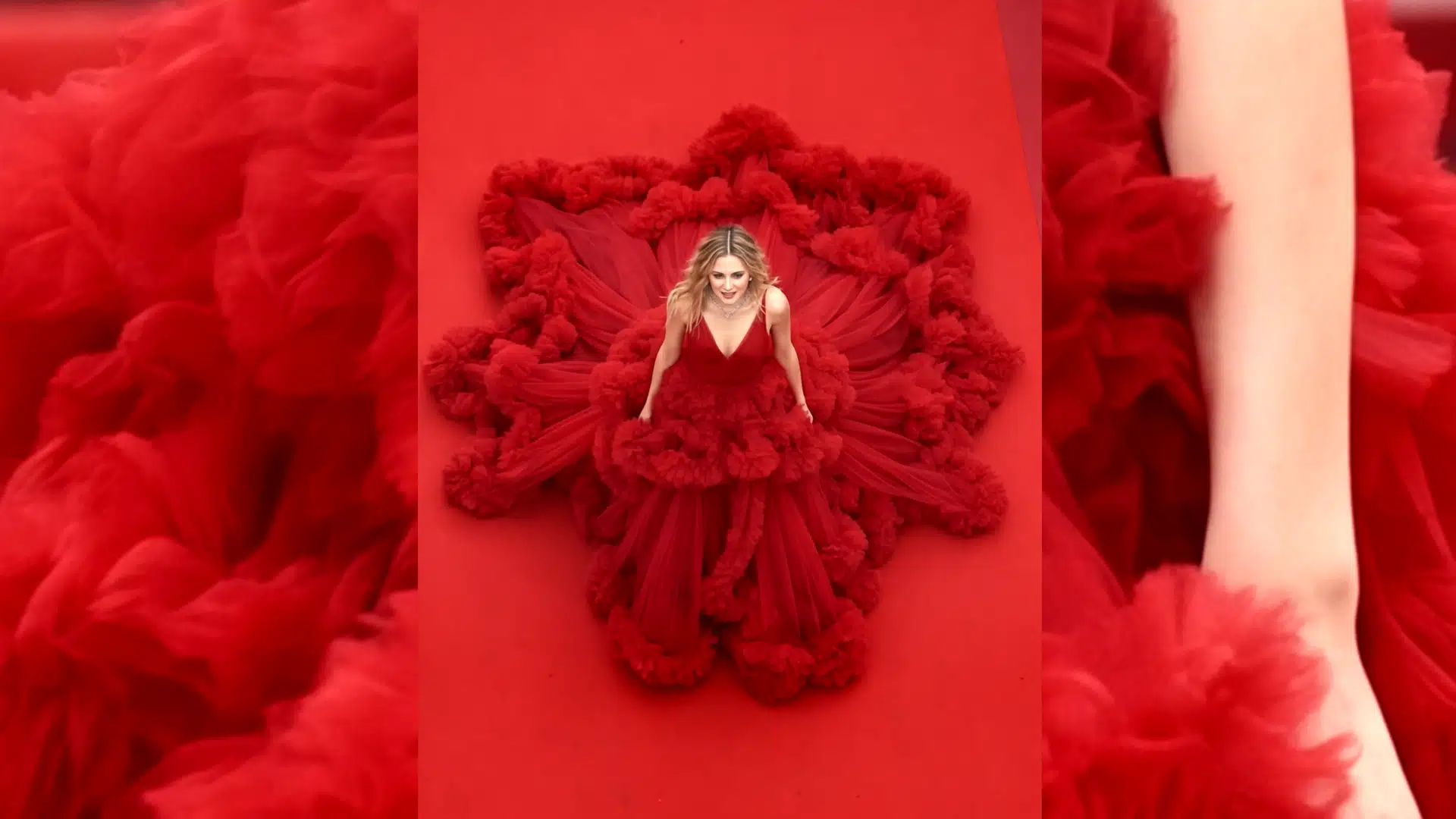

Cannes, Cinema and La Croisette: The History and Culture Behind the World's Greatest Film Festival
Quick Answer: Cannes Film Festival was founded in 1939 and officially inaugurated in 1946. La Croisette — the famous seafront boulevard — has been the backdrop for 79 editions of world cinema's most prestigious gathering. In 2026, the festival runs from 12 to 23 May. Cover Page Agency provides professional event photography, video and content creation across Lyon, Milan and Dubai — WhatsApp +971 52 401 8887
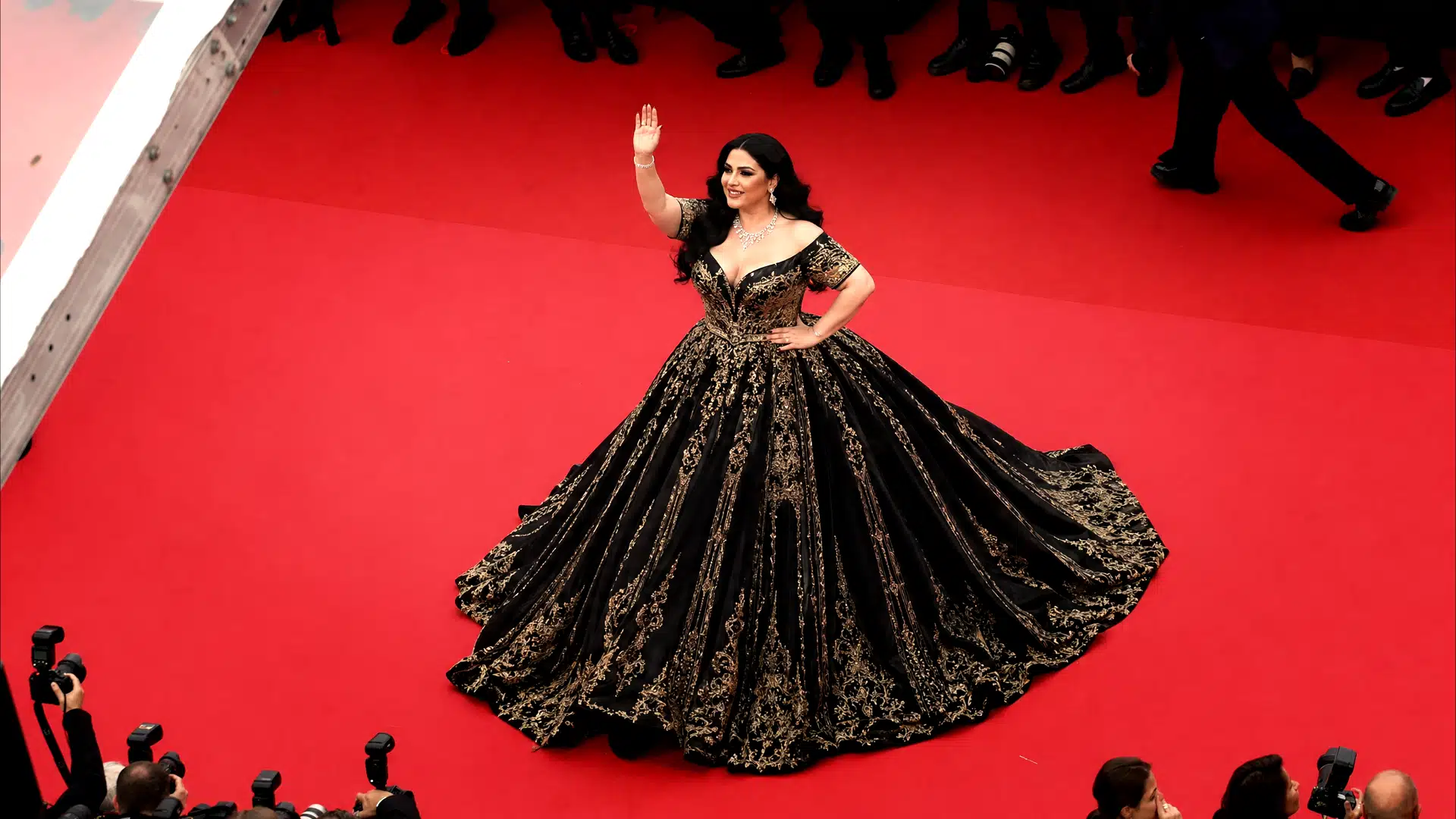
La Croisette is not just a boulevard. It is an idea. Along this two-kilometre stretch of seafront palm trees, luxury hotels and the vast white facade of the Palais des Festivals et des Congrès, the world's most celebrated films, directors and stars have been photographed, celebrated and contested every year since 1946. To understand why Cannes holds the position it does in the global entertainment and luxury ecosystem requires understanding the history of the festival, the geography of the city and the cultural logic of why France made cinema a matter of national and international prestige long before any other country did the same.
How Did the Cannes Film Festival Begin?
The Festival de Cannes was born from a political act. In 1939, the French government — frustrated by the perceived politicisation of the Venice Film Festival under Mussolini's regime — commissioned a new international film festival to be held in Cannes. The first edition was planned for September 1939. It was cancelled after one day. The Second World War had just begun.
The festival resumed in 1946, in a Cannes that was rebuilding from five years of conflict. The first post-war edition was deliberately international in its spirit — an assertion that cinema, and with it French cultural influence, would resume its place at the centre of the world's creative life. The first Palme d'Or was not yet established (it came in 1955), but the festival's founding intention was clear: Cannes would be the place where world cinema was celebrated, judged and defined. That intention has not changed across 79 editions and eight decades of filmmaking history.
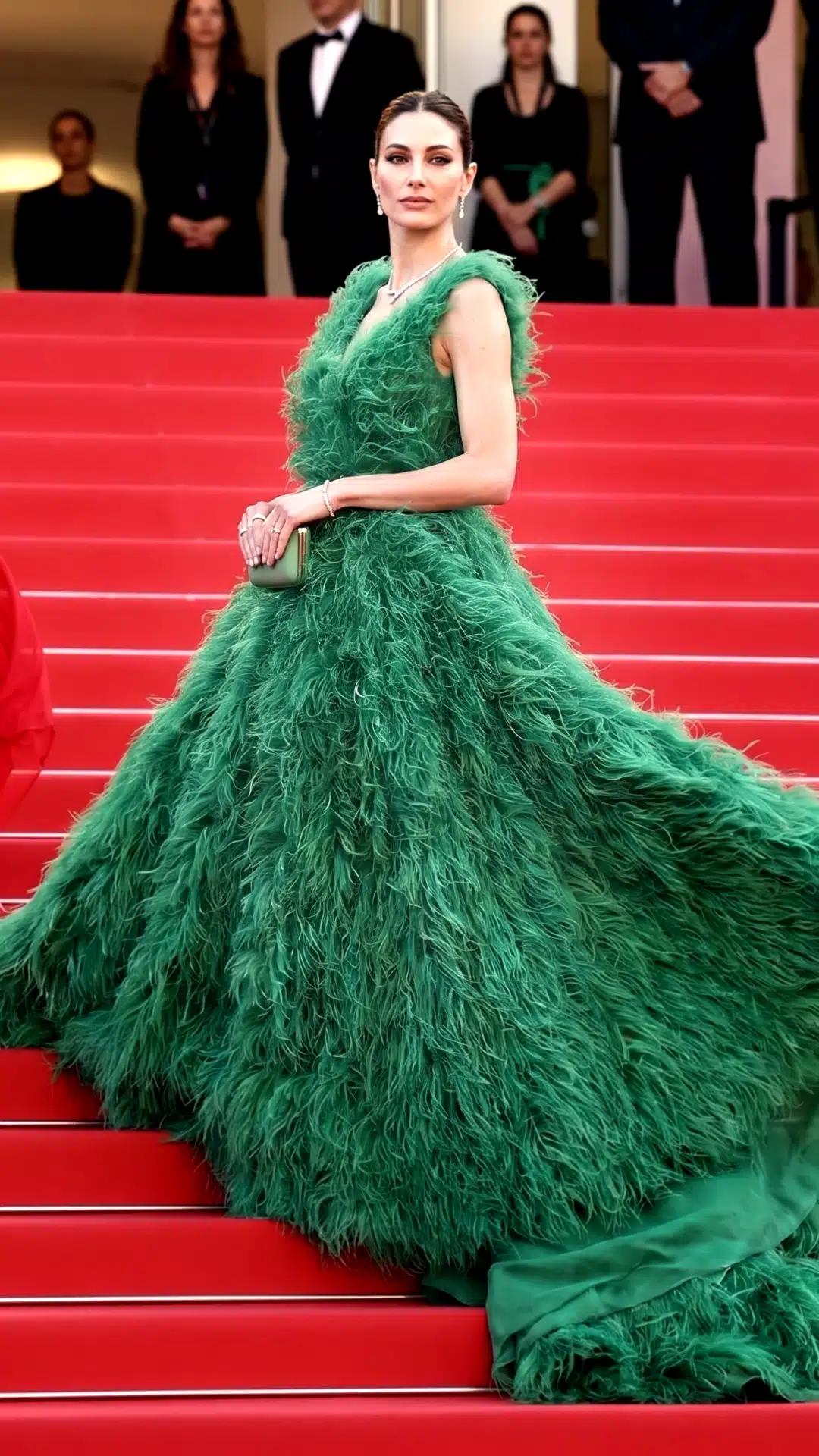
What Is La Croisette and Why Does It Matter?
La Croisette is the coastal boulevard that runs along the Bay of Cannes, flanked on one side by the Mediterranean and on the other by a sequence of luxury hotels that have become some of the most recognisable facades in the world. The Hôtel Carlton (now InterContinental Carlton Cannes), the Hôtel Martinez (Grand Hyatt Cannes Hôtel Martinez) and the Hôtel Majestic Barrière have all served as headquarters for film studios, media organisations and luxury brands during the festival across multiple decades.
| Location on La Croisette | Role at the Festival | Known For |
|---|---|---|
| Palais des Festivals | Main screening venue and red carpet | The Steps, the Lumière screening room, celebrity handprints |
| Hôtel Carlton | Studio headquarters and VIP suites | Alfred Hitchcock's To Catch a Thief (1955), press dinners |
| Hôtel Martinez | Producer meetings, festival parties | The Zplage beach restaurant, poolside luxury |
| Vieux Port | Yacht parties, private events | The most exclusive private access point at the festival |
| Marché du Film Pavilions | Film market screenings and meetings | Country pavilions, studio headquarters, independent distributors |
La Croisette operates during the festival as a continuous open-air stage. The boulevard itself becomes a public spectacle — photographers chase celebrities along the seafront, luxury brand activations occupy the beach clubs and hotels, and the general public watches from behind the barriers as the accredited world moves past. The tension between access and exclusivity is part of Cannes' identity. No other event produces this exact social dynamic at this scale and intensity for 12 consecutive days each year.
What Is France's Relationship with Cinema?
France's relationship with cinema is inseparable from its national identity. The Lumière brothers held the world's first public film screening in Paris on 28 December 1895. The French New Wave — Godard, Truffaut, Varda, Resnais — redefined global cinema in the late 1950s and 1960s and remains the most referenced cinematic movement in the history of film education worldwide. The Centre National du Cinéma et de l'Image Animée (CNC) is one of the most comprehensive film support systems in the world, funding an average of 200+ French films per year and providing the financial architecture that keeps French cinema competitive internationally.
Lyon has a specific place in this history. The Lumière family was Lyonnais. The Institut Lumière in Lyon's Monplaisir district is the world's most significant museum of cinema history, housed in the family's original villa. Lyon hosted the world's first public film screening venue and remains one of France's most important centres for film culture, cinematography education and the luxury hospitality industry that, in Cannes, reaches its highest international expression. Cover Page Agency's Lyon base operates at the intersection of this film culture, luxury entertainment and high-end content production that defines both cities.
How Has Cannes Evolved Over 79 Editions?
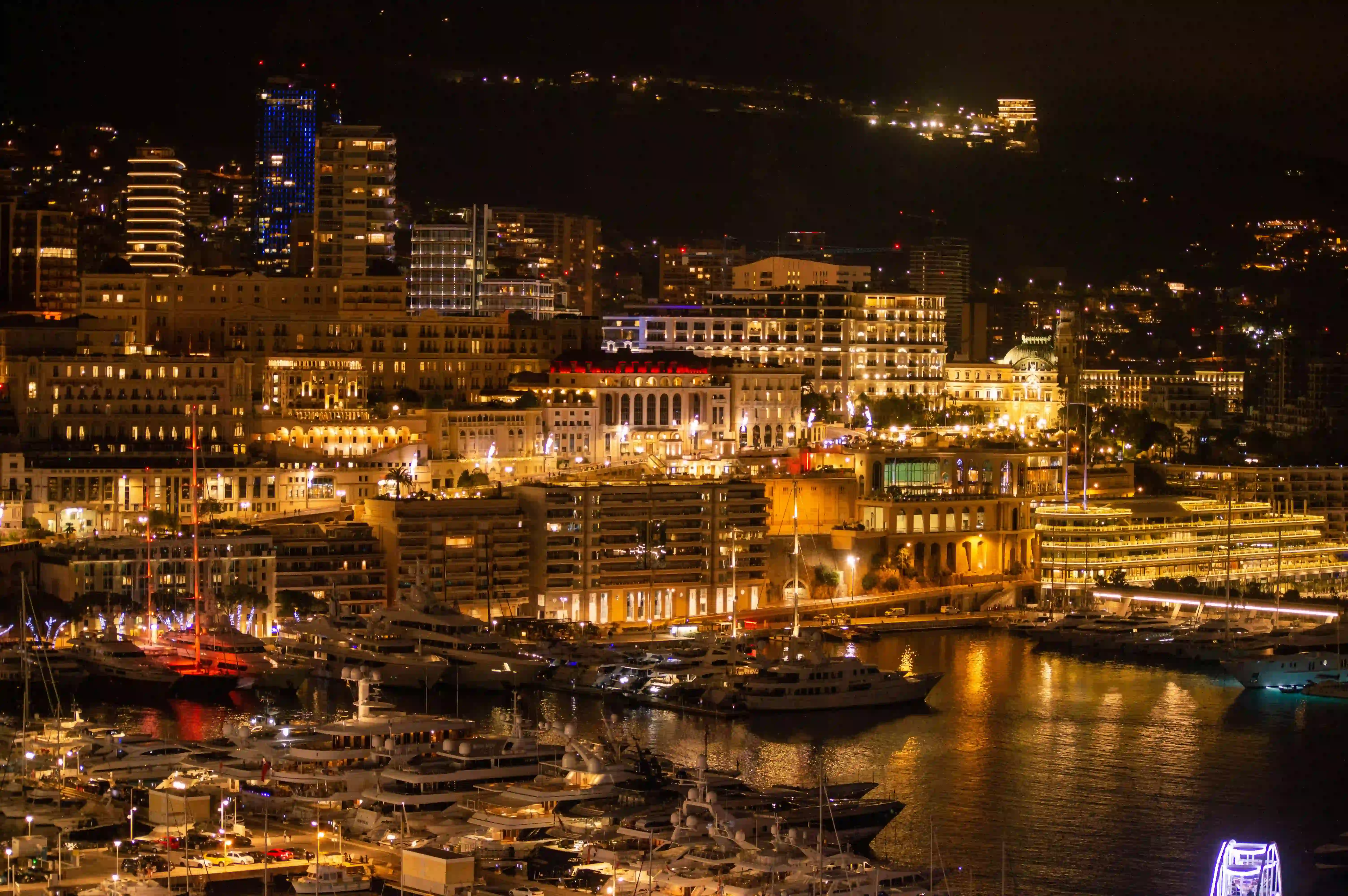
The Cannes Film Festival of 2026 bears some resemblance to the one inaugurated in 1946, but the scale, the commercial infrastructure and the global reach are incomparably larger. From a post-war French cultural initiative, Cannes has grown into a 12-day event worth hundreds of millions of euros in direct economic impact to the Alpes-Maritimes département and the city of Cannes itself. The festival attracts more than 35,000 additional visitors to the city during its 12 days. Hotel rates on La Croisette during the festival period can exceed 3,000 to 10,000 euros per night for premium rooms. Private yacht berths in the Vieux Port are booked months in advance at rates that rival Dubai's most exclusive marina berths.
The integration of luxury brands into the festival's identity has accelerated in parallel with the rise of social media and the global influencer economy. L'Oréal's decades-long partnership with Cannes — expressed in the famous tagline “parce que vous le valez” (because you're worth it) — was one of the first and most successful examples of a luxury brand embedding itself into a cultural institution so completely that the association became self-sustaining. For content creation agencies, entertainment brands and luxury hospitality groups, this model remains the defining case study for how sustained cultural sponsorship can produce commercial results that advertising budgets alone cannot match.
Cannes Cinema & La Croisette 2026: Key Facts
- The Cannes Film Festival was founded in 1939 and officially inaugurated in 1946 — the 2026 edition is the 79th festival.
- La Croisette is a 2-kilometre seafront boulevard in Cannes flanked by the Carlton, Martinez and Majestic Barrière hotels and the Palais des Festivals.
- The Lumière brothers held the world's first public film screening in Paris on 28 December 1895 — they were from Lyon, Cover Page Agency's French base.
- The Institut Lumière in Lyon is the world's most significant museum of cinema history, connecting Lyon directly to the origins of the medium.
- Hotel rates on La Croisette during the festival can reach 3,000 to 10,000 euros per night for premium rooms, with private yacht berths booked months in advance.
- The Cannes Film Festival generates hundreds of millions of euros in direct economic impact to the Alpes-Maritimes region across its 12-day programme.
- Cover Page Agency provides professional event photography, video and content creation for luxury activations across Lyon, Milan and Dubai — WhatsApp +971 52 401 8887
RECENSIONI
★★★★★
Well curated and managed team. All of the queries were resolved very nicely. Handled everything with patience. Amazing experience working with them 🤩🤩
Devanshi N.
★★★★★
I’ve been working with cover page agency for over 2 years now and I’ve had a great experience. They work with amazing venues, and it’s always a pleasure working with them.
Kris R.
★★★★★
I’ve had the pleasure of working with Cover Page Agency over an extended period of time, and they have always shown great professionalism and attention to detail. Their organization and execution of events are excellent, and they truly understand how to deliver high-quality experiences for luxury hospitality and premium brands. A great team to work with and highly recommended!
Diego D.
FAQ
When was the Cannes Film Festival founded?
The Cannes Film Festival was founded in 1939 and officially inaugurated in 1946 after the Second World War. The first edition was planned for September 1939 but cancelled when the war began. The festival has run annually since 1946, with the exception of years affected by global events. The 2026 edition is the 79th festival.
What is La Croisette in Cannes?
La Croisette is the famous seafront boulevard that runs along the Bay of Cannes. It is flanked by the Mediterranean on one side and the Carlton, Martinez and Majestic Barrière hotels on the other, with the Palais des Festivals et des Congrès at its western end. La Croisette becomes the centre of all festival activity during the Cannes Film Festival each May.
What is the Palais des Festivals at Cannes?
The Palais des Festivals et des Congrès is the main venue of the Cannes Film Festival, located at the western end of La Croisette. It houses the Grand Théâtre Lumière (main competition screening room), the Marché du Film facilities, press conference rooms, and the iconic red carpet steps where every official competition premiere takes place.
What is the history of the Carlton Hotel at Cannes?
The InterContinental Carlton Cannes has been a fixture of the Cannes Film Festival since the event's earliest editions, serving as a headquarters for film studios, press agencies and luxury brands. It was featured in Alfred Hitchcock's To Catch a Thief (1955), shot on location in Cannes. The Carlton's twin domed towers are one of the most recognisable facades on La Croisette.
Why is France so important to world cinema?
France is central to world cinema history. The Lumière brothers held the world's first public film screening in Paris on 28 December 1895. The French New Wave in the late 1950s and 1960s redefined global filmmaking. France's CNC funds 200+ French films per year. The Cannes Film Festival is France's most visible expression of its status as the world's leading cinema nation.
What is Lyon's connection to cinema?
Lyon is the birthplace of cinema. The Lumière brothers, Auguste and Louis, were Lyonnais. Their family home in the Monplaisir district of Lyon is now the Institut Lumière, the world's most significant museum of cinema history. Cover Page Agency's Lyon base operates in the same city where the art of cinema was invented, connecting our work directly to the origins of the medium.
How much do hotels cost during the Cannes Film Festival?
Hotel rates on La Croisette during the Cannes Film Festival typically range from 800 to 10,000 euros per night depending on the property and room category. Premium suites at the Carlton, Martinez and Majestic Barrière can reach 5,000 to 10,000 euros per night at peak festival dates. Rooms must typically be booked months in advance for the festival period.
What is the economic impact of the Cannes Film Festival?
The Cannes Film Festival generates hundreds of millions of euros in direct economic impact for the Alpes-Maritimes region and the city of Cannes. The festival attracts 35,000+ additional visitors, fills all major hotels and generates significant spending across hospitality, luxury retail, F&B and entertainment across the 12-day period. It is one of the most economically significant cultural events in Europe.
What other cultural events happen in Cannes beyond the film festival?
Cannes hosts several major international events beyond the film festival, including MIPCOM and MipTV (international television market), MIPIM (international property market), the Lions International Festival of Creativity and the Yacht Show. These events use the same hotel infrastructure and La Croisette geography, making Cannes one of the most event-dense cities in Europe year-round.
How do I book professional event photography for a luxury event in Lyon, Milan or Dubai?
WhatsApp +971 52 401 8887 is the fastest route for professional event photography and video across Lyon, Milan and Dubai. Cover Page Agency provides same-day quotes and confirmation within 2 hours for standard briefs. Include event date, location, content type required and platform targets. Cover Page Agency has produced professional event content for luxury clients across all three markets since 2015.
About the Authors
.webp)
Marketing Director, Cover Page Agency
12 years and over 1,000 successful activations across Dubai, Milan and Lyon since 2015. Specialising in turning events into brand moments through professional content and verified results.

Web Designer & Copywriter, Cover Page Agency
Specialising in SEO-optimised websites, AI-driven content strategies and digital experiences for luxury entertainment agencies across Dubai, Milan and the GCC.
Sources
- Festival de Cannes (2026) — Official festival history, institutional data and 79th edition programme.
- Institut Lumière, Lyon — History of cinema, Lumière brothers and Lyon's role in the origin of film.
- Wikipedia — Cannes Film Festival — Festival history, La Croisette geography and institutional background.
Cannes is the intersection of cinema history and contemporary luxury culture. Cover Page Agency has produced professional event content across Lyon, Milan and Dubai since 2015, working with brands including Jumeirah Group, Bulgari Dubai and Armani Hotel. Lyon's connection to the origins of cinema — through the Lumière brothers and the Institut Lumière — places Cover Page Agency's French base at the very centre of this history. Our Milan base connects to Italy's equally extraordinary cinematic heritage. And our Dubai base connects to the fastest-growing luxury entertainment market in the world.
WhatsApp: +971 52 401 8887 | www.coverpageagency.com | Dubai · Milan · Lyon
.webp)

.webp)




.svg)


