
.png)
.svg)



COVER PAGE AGENCY

Vienna's Musical History at the Imperial Hotel: The Three Halls, the Composers, and the 400-Metre Geography
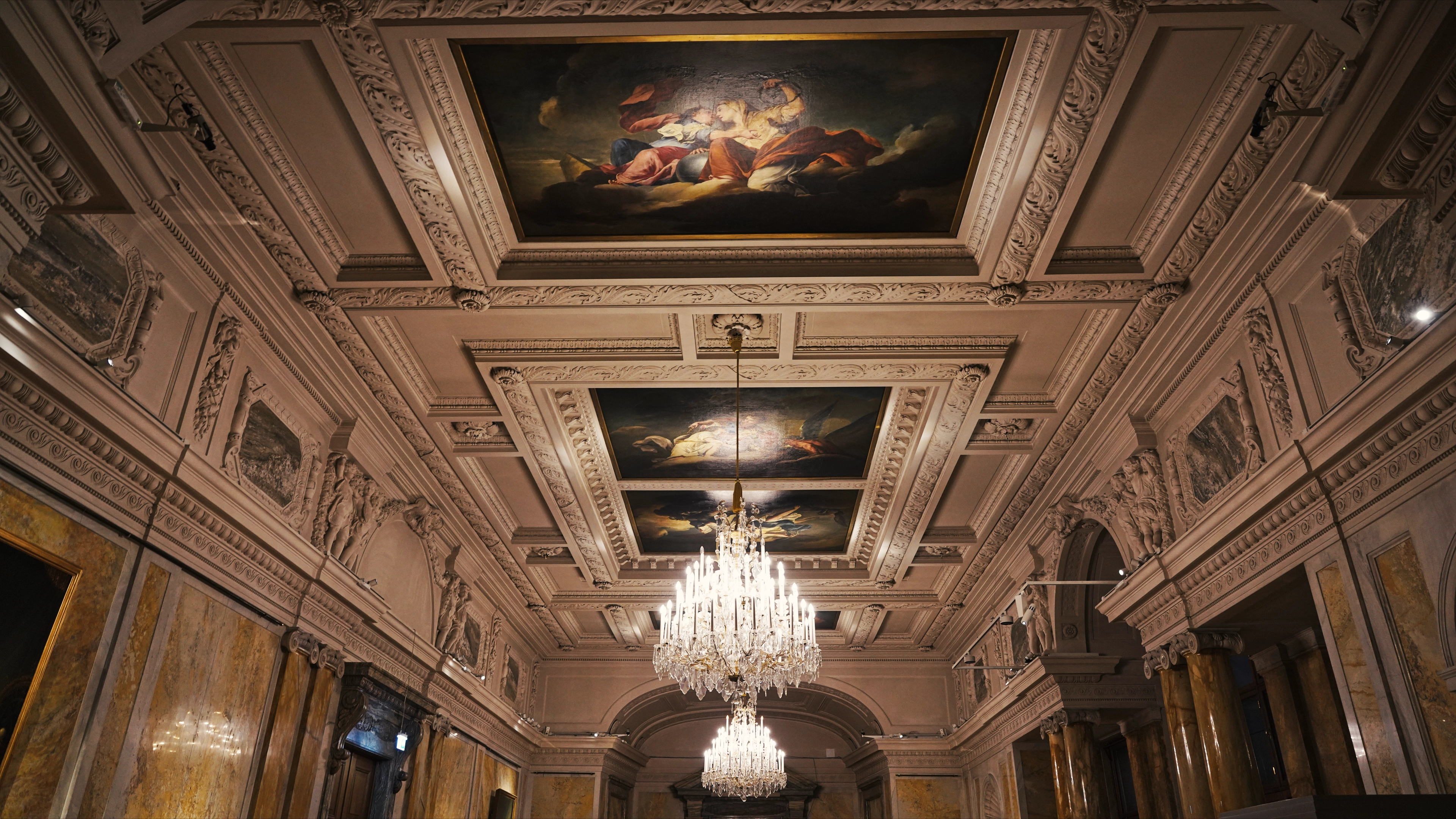

Quick answer: Vienna's musical history is not a museum. It is a working geography. The buildings where Beethoven premiered, where Mahler conducted, where the Vienna Philharmonic returns every Sunday to a hall built in 1870 specifically for the sound it produces. They are operating institutions, performing the music they were built to perform, on the same evenings of the week they have been doing so for a century and a half. The Imperial Vienna stands at the centre of this geography. Cover Page coordinates content production and entertainment access in this district from AED 2,500.
Why Is Vienna's Musical Geography Different from Any Other City's?
Most cities with serious musical history treat that history as something that happened. Vienna treats it as something that is happening. The distinction matters. In Salzburg, you visit the house where Mozart was born. In Bonn, you visit the house where Beethoven was born. In Vienna, you walk past the University of Vienna's Old Hall (Aula) where Beethoven premiered his Seventh Symphony in 1813, and then you go inside the city's active venues to hear an orchestra perform it on a stage that inherits that exact living tradition.
The buildings have not been preserved as monuments. They have been kept in use. The Musikverein still hosts the Vienna Philharmonic. The Staatsoper still mounts the repertoire that Gustav Mahler shaped during his directorship between 1897 and 1907. The Konzerthaus still programmes the kinds of contemporary work it was built to receive in 1913. The institutions are not museums of musical history. They are the continuation of it.
This is why a guest who stays at the Hotel Imperial Vienna for three days does not visit Vienna's musical institutions in the way a tourist visits cultural sites. They participate in them. The Musikverein at 8 PM is not a tourist attraction. It is a working concert. The standing room ticket at the Staatsoper does not commemorate the building's history, it places the guest inside the building's present.
What Is the Musikverein and Why Does It' s short Distance Matter?
The Musikverein opened in 1870, three years before the Hotel Imperial. The Großer Saal, the building's main concert hall, is regarded by orchestras and acoustic engineers as the finest concert hall in the world. The reasons are specific. The hall is a shoebox shape—long, narrow, with a flat ceiling and a raised stage at one end. The walls are made of plaster-coated brick, which uniquely reflects deep bass frequencies, while the wood flooring and hollow cavities beneath the stage add warmth to the sound. The proportions were calculated using a mid-nineteenth-century understanding of acoustics that turned out, by accident or by intuition, to produce the perfect ratio between direct sound, early reflections, and late reverberation that a symphonic orchestra requires. The Vienna Philharmonic is the resident orchestra.
They perform there approximately one hundred times per year, more than any other orchestra-hall combination on earth. The orchestra plays the hall. The hall plays the orchestra. After one hundred and fifty-six years of doing this together, neither institution is a generic version of itself. They have become specific to each other.
Key figues
- 1863–1866: The precise construction window of the property as the private Palais Württemberg, designed by architect Arnold Zenetti, before its conversion into a luxury hotel.
- April 28, 1873: The official inauguration date of the Hotel Imperial Vienna by Emperor Franz Joseph I, timed exactly for the opening of the Vienna World's Fair (Weltausstellung).
- 57.5 Metres: The definitive width of the Ringstraße boulevard, establishing the grand architectural scale that forms the physical frame for the hotel's arrival sequence.
- 200 Metres: The exact walking distance from the hotel lobby entrance to the artist and patron entrance of the Musikverein.
- 380 Metres: The geographical distance from the hotel steps to the main entrance of the Wiener Staatsoper.
- 4:3:2 Ratio: The precise acoustic proportions (Length: 56.25m, Width: 19.80m, Height: 17.75m) of the Musikverein's Großer Saal (Golden Hall), which create the world-standard 2.0-second sound reverberation time when fully occupied.
- 50 to 60 Works: The active volume of different operas mounted each season at the Wiener Staatsoper under its unique Repertoirebetrieb (rotating repertoire) system, supported by a permanent company of over 200 chorus members and musicians.
- 100 Performances: The approximate number of times the Vienna Philharmonic performs inside its resident home at the Musikverein each year, representing the densest orchestra-to-hall relationship in existence.
- 35 Minutes: The strict, non-repeatable astronomical window (7:20 AM – 7:55 AM) during the spring and autumn equinoxes when direct sunlight hits the core geometry of the Royal Grand Staircase.
How Has the Staatsoper Shaped Vienna's Musical Identity?
The Wiener Staatsoper opened in 1869, four years before the Hotel Imperial. The two buildings were among the first commissioned along the Ringstraße. They were designed as foundational architectural pillars of the new imperial boulevard, positioned close enough that the audience of the opera would naturally become the clientele of the luxury hotel. They have functioned this way for one hundred and fifty-three years.
The Staatsoper's repertoire and casting standard, as it operates today, was shaped during Gustav Mahler's directorship from 1897 to 1907. Mahler made the decisions about what Vienna would consider a serious opera house: a rotating repertoire of fifty to sixty works performed across each season, a resident orchestra at full symphonic standard, a chorus and ballet at full institutional capacity. No other major opera house in the world sustains this specific type of repertory scope year-round. While legendary houses like La Scala and the Metropolitan Opera produce world-class seasons, they rely on block programming or much narrower rotations. The Staatsoper sets a standard of staggering daily variety that the others simply cannot match.
Three hundred and eighty metres across the boulevard from the Hotel Imperial, the building changes its programme every night. A guest staying three days at the hotel can see three different works, each at the level the Staatsoper sustains as its baseline. Parterre standing room is available for under fifteen euros, but guests must respect the environment; casual sportswear like tracksuits, gym shorts, and undershirts are explicitly forbidden. The musical attention required is whatever they bring with them.
What Composers Worked in This Specific Geography?
The Ringstraße district, and the streets immediately adjacent to it, was the working geography of nearly every major composer in the central European tradition between 1780 and 1910. The list is not a list of visitors. It is a list of residents.
This geography is not commemorated by plaques. It is occupied by the same institutions, mostly performing the same music, in the same buildings these composers worked in or built. A guest at the Hotel Imperial who attends a Vienna Philharmonic concert at the Musikverein is hearing the orchestra Johannes Brahms heard, in the hall Brahms heard them in, performing a programme that frequently includes Brahms himself.
Vienna's Musical Geography — The Three Halls and The Imperial
What Does the Konzerthaus add to the Program?
The Konzerthaus opened in 1913, forty-three years after the Musikverein. It was built deliberately to receive the music the Musikverein was unable or unwilling to programme. This included contemporary works, larger orchestral forces, and unique programmes that did not fit the formal Philharmonic season.
The Vienna Symphony Orchestra is the resident ensemble. The hall is acoustically excellent, architecturally a fusion of late-nineteenth-century Historicism and Art Nouveau rather than pure Jugendstil, and programmatically more adventurous. For a guest at the Imperial Vienna, the Konzerthaus is the alternative on an evening when the Musikverein and the Staatsoper do not match the interest. It offers chamber music, contemporary composers, visiting orchestras on tour, and world music programmes. The walk is eight minutes past the Schwarzenbergplatz. This path crosses just outside the Ringstraße axis into the third district and remains operationally proximate. Three institutions, three programmes, every evening of the week.
No other city in the world sustains this density at this standard within walking distance of a single address.
What Does a Vienna Philharmonic Sunday Morning Concert Mean?
Every Sunday morning of a subscription weekend at 11am, the Vienna Philharmonic performs a concert at the Musikverein.
The format is fixed. The hall is full. The audience is a mixture of Vienna's musical regulars and visitors who have understood that this is what one does on a Sunday morning in Vienna if one is taking the city seriously. The Sunday morning concert is not a tourist event. It is the orchestra's working week. The programme is whatever the conductor and orchestra have prepared for the week's performances. The same programme is typically performed Saturday afternoon and Sunday morning.
The Sunday morning version is the second, definitive performance. The orchestra is by then completely settled into the material. For a guest at the Imperial Vienna who arrives on a Friday or Saturday, the Sunday morning Philharmonic concert is the cultural anchor of the stay. It requires two hundred metres of walking and two hours in the Grosser Saal. The walk back to the hotel sets up the second half of the day. The Café Imperial waits for the post-concert coffee. This is the geography operating exactly as it was designed to operate.
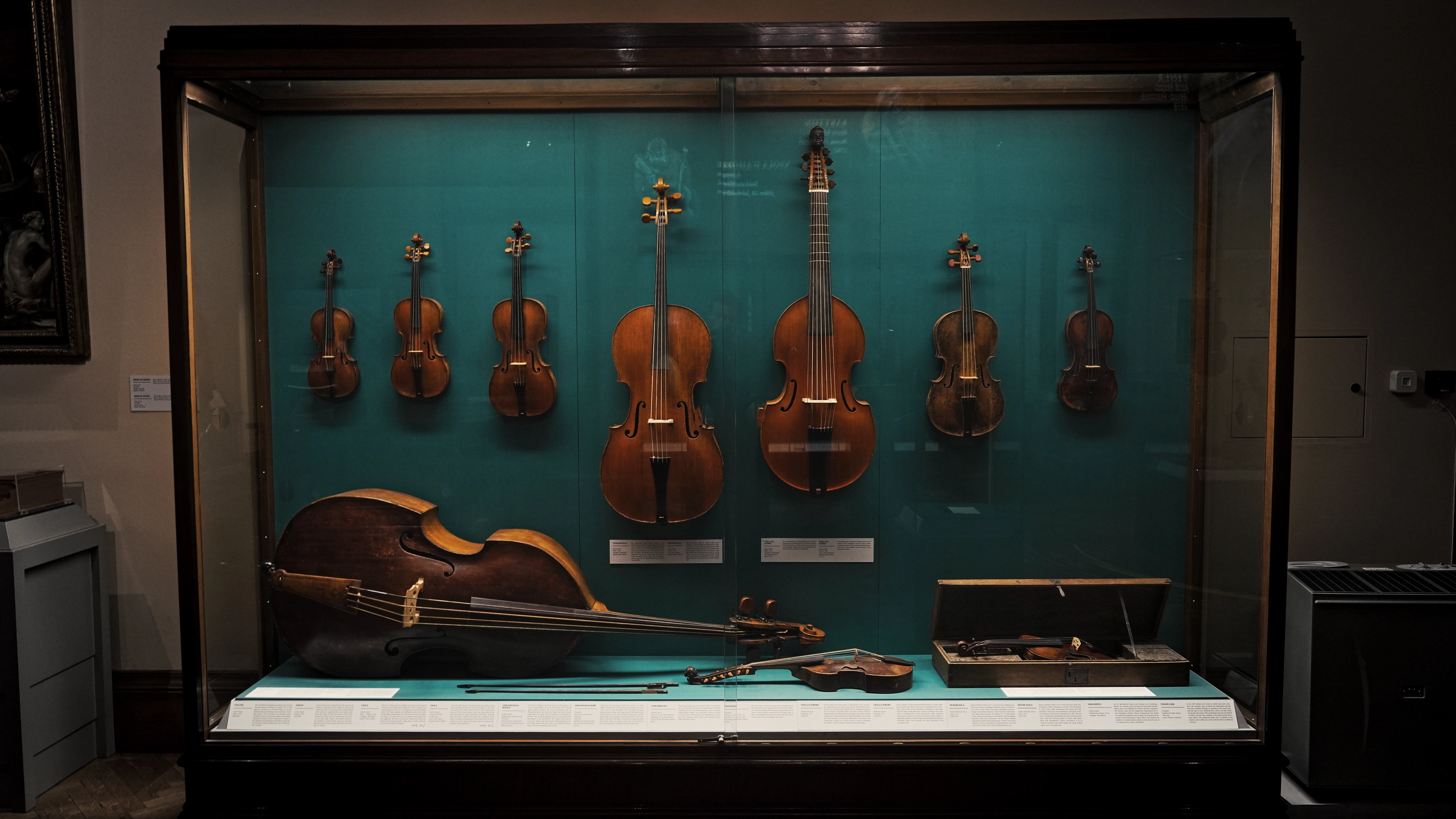
What Should a Guest Actually Listen For?
The honest answer is to listen for what the hall does to the orchestra. In the Musikverein's Grosser Saal, the strings have a specific upper register sweetness that does not exist in other halls. The brass has a slightly warmer, more integrated quality. The hall pulls the brass into the orchestral fabric rather than letting it project over the top. The woodwinds, particularly the oboes and clarinets, have a clarity at low dynamic that allows the kind of intimate phrasing the Vienna Philharmonic is known for.
At the Staatsoper, listen for what the orchestra does to the voice. The Staatsoper pit produces an orchestral sound that supports rather than competes with the singers. This is not a matter of volume control. It is a matter of orchestral colour calibrated, across one hundred and fifty five years, to the specific acoustic of the house and the specific vocal tradition the building has shaped.
At the Konzerthaus, listen for the contemporary repertoire that the Musikverein does not always programme. This is where new music is heard. This is where the more adventurous chamber programming happens. This is where the city's musical present, not just its past, is operating.
What to Listen For — The Three Halls
How Does This Connect to the Imperial Vienna's Staff Standard?
The concierge desk at the Hotel Imperial Vienna rejects the standard hospitality model of treating the Musikverein and the Wiener Staatsoper as third party commercial venues. The operational relationship between this grand hotel and the neighboring monuments is an integrated ecosystem of historic mutual reference. These elite performance houses have since 1870 and 1869 respectively formed the exact cultural anchor points of the Ringstraße urban planning initiative that this neo Renaissance palace was adapted to serve during the 1873 World's Fair.
The concierge staff holds an unwritten archive of institutional memory that operates fluidly across corporate borders. They do not merely consult a digital calendar. They maintain real time intelligence on localized logistics, current acoustics, and seating dynamics. They possess the critical discernment to evaluate whether a guest will secure entry into the highly competitive Stehplatz standing room sectors. They understand whether a guest artist's specific interpretation of a symphonic score justifies the attention of an educated listener.
A demanding client query receives a highly calibrated diagnostic response rather than automated hospitality scripts. Querying whether the Vienna Philharmonic Sunday matinee repertoire contains sufficient artistic merit for an experienced archivist is fundamentally distinct from asking what public events are scheduled tonight. The secondary inquiry triggers a basic administrative readout. The primary inquiry unlocks deep cultural expertise. Both responses are technically accurate but only the analytical approach utilizes the historic knowledge base at its full capacity.
What Is the Honest Recommendation for First Time Visitors?
The definitive baseline strategy requires a three day residency at the Hotel Imperial Vienna to execute a precise architectural and cultural occupation of the historic First District. The first evening demands attendance at the Staatsoper to observe how the house handles its rotating Repertoirebetrieb system. The second evening requires a dedicated booking at the Musikverein, specifically timed to coincide with the Sunday 11 AM subscription series of the Vienna Philharmonic if the travel itinerary permits. The final evening remains flexible to explore the progressive curation of the Vienna Konzerthaus or to repeat an exceptional performance at one of the primary institutions.
The daytime itinerary must be structured around the interior geometry of the property. Mornings begin at the Café Imperial to experience the preservation of classic Viennese coffeehouse culture. The dawn hours require exact positioning within the building to capture the strict solar alignments. This means observing the 35 minute light window over the marble treads of the historic Royal Staircase and tracking the brief amber illumination across the fifth floor corridor before the modern automation systems override the natural ambient environment. The sequence concludes with a traditional horse drawn carriage arrival on the Ringstraße boulevard to contextualize the scale of the imperial thoroughfare.
This curriculum avoids the passive consumerism of standard luxury tourism. It functions as an intentional immersion into a highly specialized urban topography. The physical architecture, the artistic institutions, and the hotel management operate in complete alignment. The guest does not merely observe a historical monument but occupies the active present tense of Western classical music history.
Key figures
- Hotel Imperial Vienna musical heritage
- Wiener Musikverein acoustic proportions
- Vienna Philharmonic Sunday concerts
- Wiener Staatsoper rotating repertoire
- Gustav Mahler opera leadership
- Wiener Konzerthaus modern programming
- Vienna Symphony Orchestra residency
- Ringstraße boulevard cultural geography
- Café Imperial coffeehouse tradition
- Cover Page Agency entertainment curation
For enquiries: WhatsApp +971 52 401 8887 or info@coverpageagency.com. See also talents for production team coordination and models for editorial casting at heritage venues.
RECENSIONI
★★★★★
Well curated and managed team. All of the queries were resolved very nicely. Handled everything with patience. Amazing experience working with them 🤩🤩
Devanshi N.
★★★★★
I’ve been working with cover page agency for over 2 years now and I’ve had a great experience. They work with amazing venues, and it’s always a pleasure working with them.
Kris R.
★★★★★
I’ve had the pleasure of working with Cover Page Agency over an extended period of time, and they have always shown great professionalism and attention to detail. Their organization and execution of events are excellent, and they truly understand how to deliver high-quality experiences for luxury hospitality and premium brands. A great team to work with and highly recommended!
Diego D.
FAQ
What is the Musikverein and why is it considered the world's finest concert hall?
The Musikverein opened in 1870 and is regarded as the finest concert hall in the world. The Grosser Saal's shoebox proportions and wooden surfaces produce an acoustic that no other hall has replicated. The Vienna Philharmonic is the resident orchestra, performing there approximately one hundred times per year. After one hundred and fifty-five years of the orchestra playing this specific hall, the two have become specific to each other in ways that cannot be reproduced elsewhere.
How far is the Wiener Staatsoper from the Imperial Vienna?
200 metres. The Staatsoper opened in 1869, four years before the Imperial Vienna — and the two buildings were designed to face each other across the Ringstrasse boulevard as part of the same cultural programme. The Staatsoper changes its repertoire every night and sustains a casting standard, shaped during Gustav Mahler's directorship from 1897 to 1907, that no other opera house in the world matches year-round.
Which composers actually worked in the district around the Imperial Vienna?
Beethoven, Schubert, Brahms, Mahler, Schoenberg, Berg and Webern all lived and worked in this specific district. Brahms lived three minutes on foot from the Musikverein and worked daily at the Café Imperial inside the Imperial Vienna. Mahler walked along the boulevard to conduct rehearsals at the Staatsoper. The district was their working geography, not their birthplace, and the buildings they used are still operating.
Why is Vienna's musical history different from other European cities?
Vienna treats its musical history as something still happening rather than something that happened. The Musikverein still hosts the Vienna Philharmonic. The Staatsoper still mounts the repertoire Mahler shaped. The Konzerthaus still programmes contemporary work. The buildings are not preserved as monuments — they are kept in use. A guest at the Imperial Vienna who attends a Philharmonic concert is hearing the orchestra Brahms heard, in the hall Brahms heard them in.
How does standing room work at the Musikverein and the Staatsoper?
Standing room at both the Musikverein and the Staatsoper is sold at the box office from one hour before the performance. Musikverein standing room varies by event; Staatsoper Parterre standing is consistently under €15. The dress code is whatever the guest is comfortable in. The musical attention is whatever they bring. For a guest at the Imperial Vienna who decides at 7pm to attend an 8pm performance, this is operationally straightforward.
What is the Konzerthaus and how does it differ from the Musikverein?
The Konzerthaus opened in 1913 to receive music the Musikverein was unable or unwilling to programme, contemporary works, larger orchestral forces, more adventurous chamber music. The Vienna Symphony Orchestra is the resident ensemble. It is the third hall in the Ringstrasse musical triangle and the alternative on an evening when the Musikverein and the Staatsoper do not match the interest. Eight minutes on foot from the Imperial Vienna.
What is the Vienna Philharmonic Sunday morning concert?
Every Sunday at 11am, the Vienna Philharmonic performs at the Musikverein. The programme is typically the third performance of that week's material, meaning the orchestra is completely settled into the music. The Sunday morning concert is not a tourist event — it is the orchestra's working week. For a guest at the Imperial Vienna staying through a Sunday, it is the cultural anchor of the stay. 400 metres on foot. Two hours in the Grosser Saal. Coffee at the Café Imperial afterwards.
What should a guest actually listen for at the Musikverein and Staatsoper?
Listen for what the hall does to the orchestra. In the Grosser Saal, the strings have an upper-register sweetness no other hall produces. The brass integrates rather than projects. The woodwinds carry clarity at low dynamic. At the Staatsoper, listen for what the orchestra does to the voice — the pit supports rather than competes. At the Konzerthaus, listen for the contemporary programme that the Musikverein does not always offer.
How should a guest use the Imperial Vienna concierge for musical recommendations?
The concierge knows what is on, whether standing room is likely available, and whether a conductor's interpretation will reward a serious listener. The right question is specific: 'Is the Vienna Philharmonic performing this Sunday and would the program reward a serious listener.' That question receives institutional knowledge. A general question receives a printed schedule. The concierge is institutional memory operating across institutions, not a booking service.
How does Cover Page's entertainment curation service work for production stays?
Cover Page coordinates both content production and entertainment curation as a single editorial engagement. The content captures the building. The evening programme matches the building's register. The Vienna Philharmonic on a Sunday morning is not a peripheral experience, it is the cultural anchor of the stay. Production packages start at AED 2,500 for UNO. Contact via WhatsApp at +971 52 401 8887.
About the Authors
.webp)
Lukas Götze
Marketing Director, Cover Page Agency
12 years and over 1,000 successful activations across Dubai, Milan and Lyon since 2015. Specialising in turning events into brand moments through professional content and verified results.

Enzo Marcelle
Web Designer & Copywriter, Cover Page Agency
Specialising in SEO-optimised websites, AI-driven content strategies and digital experiences for luxury entertainment agencies across Dubai, Milan and the GCC.
Sources
- Wiener Musikverein (2026) — Hall acoustics documentation, Vienna Philharmonic resident orchestra records, Grosser Saal architectural history since 1870.
- Wiener Staatsoper (2026) — Opera house history from 1869 opening, repertoire archives, Mahler directorship records.
- Wiener Konzerthaus (2026) — Concert hall architectural history, Vienna Symphony Orchestra residency, contemporary programming records.
- City of Vienna Cultural Heritage Office (2025) — Composer residency documentation, Ringstrasse cultural axis records, heritage hospitality classifications.
The Music Is Not Historical. It Is Still Happening, Four Hundred Metres from the Lobby.
Three institutions. Three programmes. Every evening of the week. The same orchestras, the same conductors, the same composers, still operating inside the buildings they helped build. Cover Page Agency coordinates production and access at this register.
Published 11 May 2026 — Cover Page Agency · Dubai · Milan · Lyon · info@coverpageagency.com






.svg)

